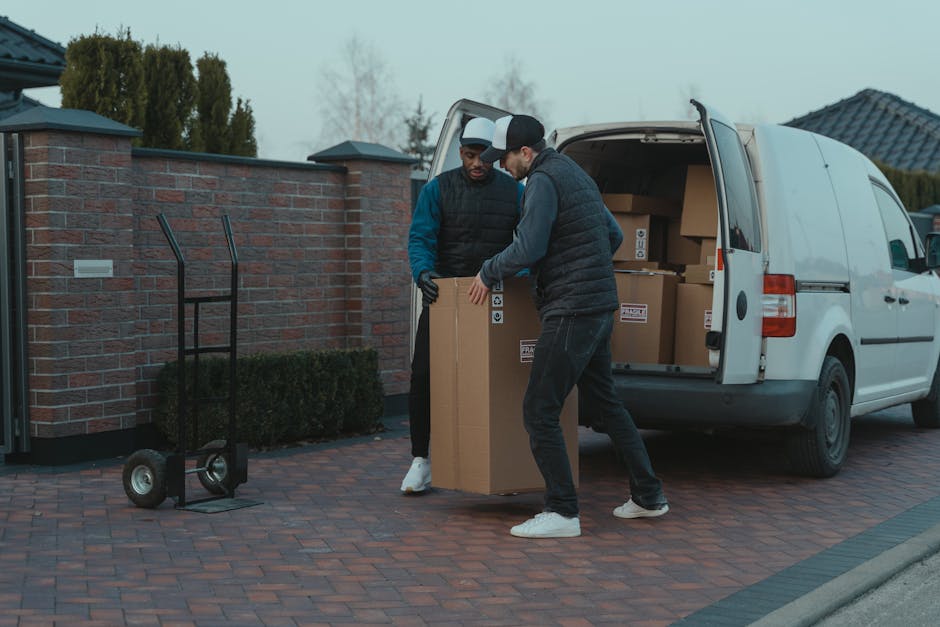
Man and van in Watford for local home, office and furniture moves

Watford Man And Van provides a practical man and van service in Watford for customers who need a straightforward way to move items, household contents or business equipment without booking a full removals package. The work is centred on careful handling, sensible loading and a clear plan for getting belongings from one place to another in a tidy, efficient manner. It is a flexible option for smaller moves, single-item transport and lighter relocations where a larger vehicle or team would be unnecessary.
The service can suit flats, houses, student rooms, offices and storage collections, with the job shaped around the amount to move and the access at each address. We focus on safe lifting, organised van space and sensible route planning so items are moved with care. For customers comparing options, the relevant pages on our man and van service and removal services explain how different moving jobs can be approached.
For a quotation, it helps to describe what needs moving, where it is going and any access points that may affect the job. Clear details usually make it easier to match the vehicle, timing and loading plan to the work. If you are ready to talk through a move, you can ask for a quote and share the basics of the job today.
What our Watford man and van service covers
Our Watford man and van work is intended for smaller and medium-sized moving tasks that still need proper care and structure. That can include boxes, bagged belongings, furniture, appliances, stock, archive items or mixed loads that need lifting, securing and transport in one trip or a small number of journeys. It is also useful when items are already packed and the priority is safe collection, sensible stacking and delivery to the right place.
The service is not limited to domestic moves. It can also support shop stock transfers, light office relocation work and furniture moves after a room refresh or refit. When planning a booking, it is sensible to think about how many people will be needed to move the larger pieces, whether items must be carried upstairs, and whether parking or access will affect loading. If you want to compare how these jobs differ, the pages for home moves and commercial moves are useful starting points.
We aim to keep the process practical rather than complicated, with a service shaped to the load rather than a one-size-fits-all approach. That means a customer with a few bulky pieces does not have to book a larger removal arrangement if a van-based move is the better fit. For many people, the main value lies in keeping the move focused, careful and manageable from start to finish.
Moving household contents with care

Household moves often involve a mix of furniture, cartons, soft furnishings and awkward items that need patience as well as strength. A man and van arrangement can work well when a full house removal team would be more than is needed, especially for one-bedroom homes, smaller family properties, student accommodation or partial moves. The service can also help when the move is spread across more than one address or when only part of the furniture is going to the new place.
Good household moving depends on how items are prepared and loaded. Mattresses need protecting from dirt, tables and wardrobes need sensible positioning in the van, and fragile cartons should not be squeezed under heavier items. If you are comparing household services, the pages for house removals and house movers give a broader view of domestic moving options. Well-planned loading can make a clear difference to how safely the move is completed.
For many domestic customers, the challenge is not only transport but coordination. A van can be the right size for a move that needs to fit around keys, lift access, narrow stairs or timed delivery windows. In those cases, the benefit of a man and van service is its flexibility: it can be arranged around the work that actually needs doing, rather than forcing the move into a larger format that brings extra cost and complexity.
Office, shop and equipment transport
Commercial customers often need items moved with minimal disruption and with attention to order, labelling and access. Office relocation work may involve desks, chairs, filing cabinets, small IT equipment, archived paperwork and packed personal effects. A man and van service can support smaller business moves where a careful, direct transfer is more appropriate than a large-scale relocation package. It can also be useful for shop refits, display units and stock transfers between locations.
When business items are involved, organisation matters as much as lifting. A clear note of what is going, what needs extra protection and what should stay upright helps the job run more smoothly. Our approach is practical and methodical, with attention to items that should not be stacked or tilted. If your move is mainly workplace-based, you may also find office removals and office relocation services helpful for comparing service scope.
Businesses often want transport that keeps the day simple. That means straightforward collection, sensible unloading and enough flexibility to deal with access challenges or mixed item types. A van-based move is often a good fit when the load is important but does not justify a large relocation operation. It keeps the job focused on what is actually required and avoids unnecessary handling.
Single items, furniture and awkward pieces
Not every job is a full move. Many customers contact a man and van service for one heavy item, a set of chairs, a wardrobe, a sofa, a bed frame or other furniture that is difficult to move alone. This type of transport is useful when the item is too bulky for a car but does not need a large removals team. It can also suit marketplace purchases, inheritance items and furniture transfers between rooms or properties.
Single-item work still benefits from planning. The measurements of large pieces, the width of stairways and the presence of lifts or tight corners can all affect how the item is carried. When pieces need dismantling or rebuilding, that should be discussed before booking so the move is planned appropriately. For related furniture transport, the furniture pick-up page and the general removals page may help customers decide what level of support they need.
When moving awkward items, the aim is to reduce risk to both the item and the property. Doors, banisters and floors may need extra care, and heavier pieces may need two-person handling depending on their shape and weight. A good man and van service takes those practical details seriously rather than treating every piece in the same way.
How a move is planned

Planning is usually based on three things: what needs moving, where it is going and how the locations can be accessed. That may sound simple, but it is often the difference between a move that feels controlled and one that becomes awkward. A brief inventory of larger pieces and cartons helps establish the van size and handling required, while any notes about stairs, parking, loading bays or restricted access help shape the day itself.
The most useful information is usually practical rather than elaborate. A customer does not need to write a long explanation; it is enough to list the main items, mention any fragile or heavy pieces and note whether anything is being collected from storage, upstairs rooms or multiple stops. If a move involves packing support, the page for packing and unpacking services may be relevant. That can be especially useful when items need to be boxed before transport.
Good planning also helps avoid unnecessary delays. If a large item cannot be turned in a hallway or if parking is limited, the move can still be arranged more sensibly when that is known in advance. The goal is not to complicate the booking, but to make sure the service is sized correctly and the loading sequence is workable.
Customer choices and service options
There are several ways to tailor a man and van job without turning it into a full removals package. Some customers only need loading and transport. Others want help with carrying items from an upper floor, or with collecting from a seller and delivering to a home, office or storage unit. A small amount of flexibility can make a significant difference, especially when there are time limits at one end of the journey or several stops to complete.
Typical choices include whether items are already boxed, whether disassembly is needed, whether the job is one-way or includes return collection, and whether fragile belongings need extra separation in the van. If you are comparing transport arrangements, the pages for moving van and moving truck can help explain the sort of vehicle-based option that may suit a particular load. The right choice depends on the shape and volume of the move, not just the distance.
Practical service selection is often about avoiding unnecessary extra handling. A smaller load may be faster to move if it is grouped clearly, while a mixed load may need more thought about order and access. Our role is to keep the work sensible and efficient, with the service matched to the items rather than forcing the items to fit a preset pattern.
About Watford
Watford is a major town in Hertfordshire, lying just northwest of London and shaped by its long-standing position on transport routes into the capital. The town developed rapidly during the nineteenth century as the Grand Junction Canal and later the railway strengthened links with London, while earlier settlement clustered around the River Colne valley and the old routes through the area. Today Watford combines busy urban streets, residential neighbourhoods and green open spaces in a compact setting that still shows traces of its layered growth. Cassiobury Park is one of its best-known landmarks, extending along the Colne and offering wide parkland, woodland and historic associations with the former Cassiobury House estate. The town centre contains a mix of modern commercial development and older street patterns, while cultural life is reinforced by venues such as Watford Colosseum and Watford Palace Theatre. Sport also forms a visible part of local identity through Watford F.C. and the stadium at Vicarage Road. Around the town, the River Gade and the River Colne contribute to a landscape of watercourses, bridges and canal-side stretches, while nearby places such as Oxhey Park and the edges of the Chiltern foothills add more varied scenery. The result is a town that feels both practical and closely connected to wider London, yet still distinct in its own history and built character.
Access, carrying and loading details
One of the most important parts of any moving job is how items get from the property to the vehicle. That may involve lifts, stairs, tight corridors, shared entrances, courtyards or limited parking. A careful man and van service takes these conditions into account because the route from the door to the van can matter as much as the drive itself. If the load includes awkward shapes or heavier furniture, the carrying plan should reflect that from the outset.
When access is more restricted, it can help to keep the loading sequence simple and avoid unnecessary movement of items once they have been carried out. Fragile belongings, for example, should be kept apart from heavy or abrasive objects. For customers who are moving into a storage unit or clearing a room for later collection, the page for removal van can be helpful where a vehicle-led move is being considered, while the moving truck page may suit those comparing larger transport options.
Access planning does not need to become complicated, but it should be realistic. If there are stairs without a lift, narrow turns or timed parking restrictions, it is better to discuss those points early so the move is arranged properly. That keeps the job safer and more manageable for everyone involved.
Pricing factors and quotations

Prices for man and van work are usually influenced by the amount and type of items, the distance travelled, the number of loading and unloading points, and any extra time needed for access or handling. A job with a single bulky piece is different from a mixed household load, and a short local transfer is different from a longer journey with multiple stops. Because of that, quotations are best prepared from clear details rather than assumptions.
When asking for a quotation, it is helpful to mention whether you need assistance with lifting, whether any items are especially heavy or fragile, and whether parking is straightforward at both addresses. If you are comparing the broader pricing structure for different moving jobs, the pricing and quotes page offers a useful place to start. It keeps the focus on the practical information needed to plan the move sensibly.
Two short pieces of preparation can make the quotation process smoother: one is a simple list of items, and the other is a note of anything that might affect loading or delivery. That does not mean overcomplicating the enquiry; it just means giving enough detail for the move to be priced and planned in a fair, realistic way. A clear request is often the quickest route to an accurate response.
Preparing items for collection
Good preparation helps the job run more smoothly, even when the move itself is small. Boxes should be closed securely, loose contents should be grouped where possible, and fragile items should be protected from movement inside the van. Larger furniture may need drawers emptied or parts detached before travel, depending on the item and the route out of the property. The aim is to keep each item stable and ready to lift without unnecessary fuss.
There are also practical reasons to think about preparation before the day of the move. If several items are going from different rooms, it can help to place them together in advance so loading is quicker and more organised. Customers who want support with wrapping, boxing or unboxing may wish to review the packing and unpacking services page alongside the move itself. That may be especially relevant where the load includes mixed household contents or delicate pieces.
At the same time, preparation should remain realistic. Not every item can be boxed or dismantled, and not every load needs elaborate planning. The key is to make the move as straightforward as possible without adding unnecessary work before collection. A well-prepared load is easier to handle, easier to stack and generally easier to deliver in good order.
Related moving pages and next steps
Some customers know they need a man and van immediately, while others are still deciding whether a broader removals package is the better fit. The useful approach is to compare the service against the size of the job, the type of items and the level of support required. Smaller, simpler loads often fit a van-based arrangement well, while fuller property moves may point towards a more comprehensive removals service. The difference lies in how much needs moving and how it needs to be handled.
If you are looking at alternative routes through the website, the pages for man with van, man with a van and removals near me can help with service comparison, while contact us is the clearest route for a quotation request when you are ready. Choose the option that fits the load, not the one that sounds broadest, because clarity at this stage usually makes the move easier to arrange.
If you need help moving items in Watford, the next step is simple: send the details of what needs collecting, where it is going and any access notes that matter. Ask for a quotation today and we will help shape the move around the job, not the other way round.